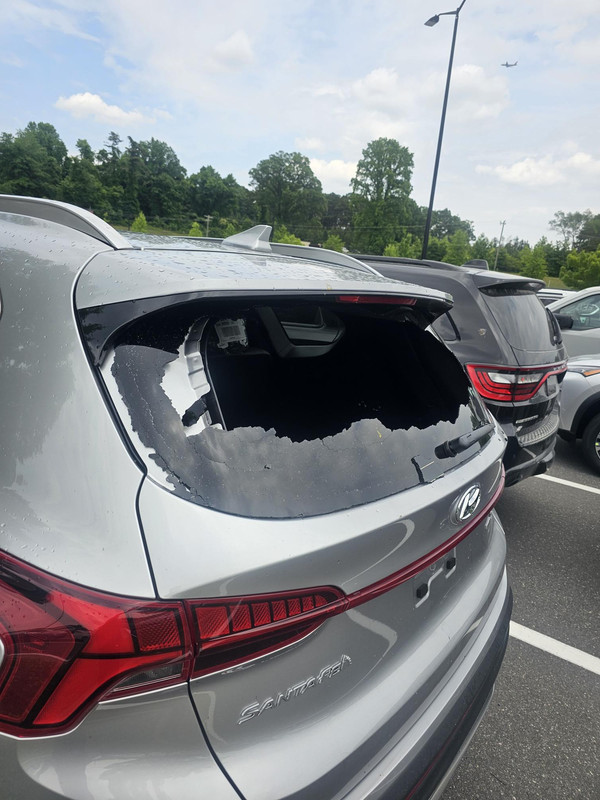
A rear window looks simple until it stops doing its job. One stray rock from the Ravenel, a sudden storm pushing a backyard limb into the hatch, a theft attempt on King Street, and now you’re staring at shattered tempered glass that used to keep the cabin quiet, the trunk dry, and the defroster honest. Rear window replacement isn’t glamorous, but done right it restores more than a view. It brings back safety systems, battery health, cabin comfort, and resale value. The “done right” part is where most of my work and experience live.
Charleston drivers face a particular mix of conditions that beat up auto glass. Salt air leaves mineral haze on the inside and corrosion on the outside. Heat builds fast in parking lots, then summer storms dump cooler rain that shocks hot glass. Bridges funnel debris. Construction zones aren’t shy about loose gravel. I’ve walked customers through every version of this story, from tiny chips on a side window to full glass conversions with ADAS calibration. Rear windows have their own quirks, and cutting corners never ends well.
Why rear glass matters more than people think
Tempered rear glass doesn’t crack like a windshield, it explodes into pebbles. That’s by design for safety, but it means you rarely get the slow leak of a creeping crack. One second it’s fine, the next the hatch is a screen door. You notice the mess first, but the real headaches show up a day or two later. The cabin fogs under rain. The trunk carpet starts to smell. The rear defroster doesn’t work and the winter dew on Johns Island refuses to lift. If you have a wiper, it’s now useless. On SUVs and crossovers, the latch sensors may act up, the dome light might stay on and drain the battery, and the liftgate can misread whether it’s closed.
There’s also the structural piece. While the rear window isn’t load-bearing like a bonded windshield, it contributes to body stiffness on many hatchbacks and SUVs once it’s sealed to the frame. A warped seal or a cheap urethane bead lets the panel flex and whistle. You feel it on I‑26 at speed, like the car picked up a new wind instrument.
The Charleston SC context: salt, storms, and stop‑and‑go
If you’ve lived here long, you learn that glass ages faster along the coast. Salt crystals nibble at weatherstripping. Afternoon heat makes the rubber supple, then evening cool pulls it tight, amplifying small gaps into leaks. I’ve replaced rear windows after pop-up hail over Mount Pleasant, after a patio umbrella took flight in a West Ashley squall, and after a drive down a sandy access road where a tailing truck kicked a pebble that found the only vulnerable angle.
Many rear windows also house antennas and defroster grids. If you listen to local AM during shrimp season, that subtle linework on the glass is your reception. A sloppy removal job tears those traces. The fix costs time and requires careful soldering or a new panel altogether. Shops that treat auto glass replacement Charleston SC like a one-size fit fall down on these details.
What quality looks like in rear window replacement
You don’t need to memorize the service manual to judge a solid job. OEM windshield replacement North Charleston Look for care in the steps you can see, and the confidence that shows up in how the tech explains the part you can’t. In my own practice, the sequence is routine but never casual.
First, secure the vehicle and protect the interior. Vacuum out every bit of tempered glass, including the nook at the base of the liftgate and the runs for the retractable cargo cover. Loose fragments will find your spare tire well and rattle for months if you miss them.
Second, remove trim without breaking clips. Modern liftgates hide ten or more plastic snaps that love to snap once. Keep extras on hand, and don’t force tabs in cool weather when they’re brittle.
Third, inspect and clean the pinch weld. That painted lip the glass bonds to must be free of old urethane and rust. In Charleston, surface rust around the corners is common. Neutralize and prime it. Skipping this step guarantees a short honeymoon before leaks start.
Fourth, test circuits before you commit. If there is a defroster, wiper, latch sensor, or antenna in the glass, power them momentarily to confirm continuity. I’d rather find a dead grid on the bench than after the urethane cures.
Fifth, lay the right urethane bead. Density, height, and timing matter. Cheap compounds string and sag. Quality adhesives give a uniform bead and a predictable safe drive-away time.
Finally, set the glass and center it. Use alignment blocks or tape registers so the gap is even on both sides. Reinstall trim, then water test. This last check is where many mobile auto glass Charleston SC services falter on a windy day. If the shop doesn’t do a controlled leak test, request one when weather permits.
OEM glass, aftermarket glass, and what actually matters
I’ve installed both. The right choice depends on the vehicle, features embedded in the glass, and what your budget allows. OEM glass usually fits with fewer adjustments, especially on vehicles with complicated curve profiles or tight trim tolerances. Edge polish and frit quality tend to be better. Aftermarket glass has improved a lot, and on many mass-market models the difference is mostly cosmetic. Where I push hard for OEM is where the rear defroster or antenna performance is known to vary, or when the trim relies on exact locator notches.
For safety and longevity, the adhesive and the prep matter more than the logo in the corner. I’ve seen dealership-installed panels leak because a rushed tech set the bead thin. I’ve also seen smaller shops deliver perfect results by following the slow, dull steps that never trend online. Ask your technician which brands they carry, what they recommend for your model, and how they stand behind the choice.
When a repair is possible and when it isn’t
Rear windows are almost always tempered, not laminated. Laminated glass can be repaired, tempered cannot. So if it’s a rear window that chipped, odds are you’ll end up replacing it. Where repair does come into play is side windows on certain vehicles that use laminated safety glass, and of course windshields. Chip repair Charleston SC services can stabilize a windshield star before it spreads. If you’re not sure what you have, look at the tiny text in the lower corner. It will say tempered or laminated. If it’s laminated, you have a chance to fix. If it’s tempered and damaged, plan on replacement.
The messy middle: insurance, scheduling, and mobile service
Insurance auto glass Charleston SC claims run smoother when you know the order of operations. Call your insurer, tell them it’s the rear window, and ask whether you have glass coverage separate from comprehensive. Many policies in our area include full or partial coverage for glass with zero or low deductibles. They may steer you to a network. You can still choose your shop. What matters is the shop can work with that carrier, document the damage with photos, and manage billing cleanly so you’re not stuck paying and chasing reimbursement.
Mobile service has its place. If the car is stranded or you can’t leave work, mobile auto glass Charleston SC technicians can come to you. The risk is wind, dust, and the lack of a controlled water test. A good mobile tech brings a canopy, a corded vacuum, a battery pack, and a plan to keep contaminants off the bead. Some days the weather wins. If a squall line is coming off the harbor, I reschedule rather than rush a set that might leak.
ADAS calibration for vehicles that need it
Rear glass doesn’t usually anchor forward-facing cameras, but don’t assume calibration is irrelevant. Many vehicles place rear radar, liftgate modules, or driver-assist antennas near or on the hatch. When you disconnect or move those parts during rear window replacement Charleston SC service, you can trigger faults. Newer SUVs tie blind-spot indicators to modules that can get unhappy if the harness is stretched or a ground is disturbed. That’s where ADAS calibration Charleston SC comes into the picture. If a dash light pops or lane-change warnings act up after a glass job, don’t shrug. Ask for a scan and calibrate what needs it. Shops that own their scan tools and know their targets save you a dealership trip.
The quiet killer: water leaks you don’t see
A rear window can pass a quick hose test and still leak under a week of coastal humidity. The tell is a faint musty smell and fogged glass in the morning. Water tracks along trim and collects under the floor foam. I’ve seen rusted spare tire wells and corroded harness connectors from a lazy bead that passed day one. Glass leak repair Charleston SC work often starts months after the install, once the hidden damage shows itself.
You can catch leaks early. After the replacement, check the headliner near the hatch corners for dampness. Look at the tailgate carpet after a storm. Make sure the rear defroster clears evenly, since moisture can short a section of the grid. If you find a problem, a reputable shop will re-pull trim, re-seal, and stand behind the job.
Side windows and windshields: related but different
Customers often bundle work. A thief breaks a rear quarter window, and you notice a windshield crack you’ve been ignoring. Side window repair Charleston SC involves different techniques: door panel removal, regulator inspection, and channel alignment. Door glass must glide smoothly or you’ll hear a clunk every time you hit the switch. Windshield repair Charleston SC comes with the ADAS burden on most late-model cars. Camera calibration is non-negotiable when you change the windshield. Quality shops schedule the calibration in-house or coordinate with a partner, then road-test the assist features to verify they behave.
If you need both front and rear work, ask the shop to stage it so they can water test the rear and calibrate the front in one visit. It saves time and keeps dust out of fresh urethane.
How to choose the right shop in Charleston
The best advertising is a dry trunk after a thunderstorm. Short of that, look for signs that the shop takes the craft seriously. They should ask about your car’s options, not just the year and model. Heated glass, rain sensors, wipers, spoilers, and camera brackets change the part number. If they quote one flat price with no questions, expect surprises later.
They should stock or source top-tier urethane with a realistic cure time, not promise a ten-minute drive-away on a 95-degree day. They should have no problem explaining the difference between OEM, OEE, and aftermarket glass for your vehicle. If they offer mobile service, ask how they handle wind and water testing. If they mention ADAS calibration without you prompting, that’s a good sign they’ve seen enough late-model work to anticipate issues.
Finally, ask about warranty terms in plain English. A lifetime workmanship warranty on leaks is standard for committed shops. Defroster function and trim rattle should also be covered for a reasonable period.
What I do differently for coastal installs
Charleston rewards a few extra steps. I add a corrosion-inhibiting primer on older vehicles where the paint is chipped under the old glass. I run a secondary bead at the corners on SUVs that see a lot of tailgate flex from cargo loads. On vehicles that live on Sullivan’s or Folly, I schedule a complimentary leak check a week later, because the salt spray test in real life beats anything I can do with a hose. If the car has a power liftgate, I recalibrate the latch after the glass goes in so the module knows its closed and open positions, which prevents phantom chimes at night.
I also bag the interior with more plastic than seems necessary. Tempered shards hide in seatbelt reels and speaker grilles. A disciplined vacuum routine saves comebacks and protects kids and pets from stray glass.
Costs, timelines, and what to expect
Prices vary by vehicle, glass type, and features. A basic rear window on an older sedan might land in the low hundreds. A modern SUV with embedded antennas, a wiper, spoiler trim, and tinted privacy glass can run higher, sometimes over a thousand with OEM parts. Insurance takes the sting out when coverage applies. If you’re paying out of pocket, good shops will give you two or three paths: OEM glass, high-grade aftermarket, or a sourced OEE panel with the same manufacturer as the original but a different logo.
Plan on half a day for the work if parts are in stock. Urethane cures fast in our heat, but I still caution customers to avoid slam-closing the hatch for a few hours, and to hold off on high-pressure car washes for a couple of days. A gentle water test before you leave is a must. If the shop resists that, ask yourself why.
Safety notes people miss
A broken rear window can mess with air quality. The exhaust swirl at low speed can creep into the cabin with a missing hatch glass, especially on wagons and crossovers. Don’t drive long distances with the rear open unless you also open the front windows to balance airflow. If shards remain, resist the instinct to brush them out barehanded. They cut like coral. A shop vac with a crevice tool works better, and tape wrapped around a gloved hand pulls the last glitter from the carpet.
If you have a dog that loves the cargo area, double-check for fragments around the wheel wells and tie-down points. I’ve pulled four or five tiny pieces from the rubber hatch seal on follow-up visits because they ride along the lip.
When a rear window isn’t the real problem
Now and then, water in the trunk isn’t from the glass at all. Charleston’s storms exploit sunroof drains, roof seam sealant, taillight gaskets, and body vents behind the bumper. I’ve seen customers replace a rear window twice before we traced the leak to a clogged drain sending water down the C-pillar. A thorough leak test isolates each path. If your carpet stays wet after a new rear window and a confirmed seal, expand the search. Good shops will own the diagnosis even if the fix lands elsewhere on the vehicle.
Tinted glass and privacy considerations
Most crossovers ship with factory privacy glass in the rear. That tint is in the glass, not a film. When you replace the panel, ask for the correct shade so it matches the surrounding windows. Aftermarket tinted glass sometimes skews slightly green or bronze, which is noticeable on white and silver cars. If your vehicle came with clear rear glass and a film was added later, replace the glass first and let the film installer meet you at the shop or schedule them for a day after. Adhesive outgassing and humidity affect film adhesion. A gentle wait yields a cleaner result.
When to pair the job with other glass work
If your windshield has a rock chip, fix it while you’re addressing the rear. Chip repair takes 20 to 30 minutes and can prevent a costly crack later, especially with the heat swings we see here. If a side window drags or rattles, a glass appointment gives you a quiet bay and someone already inside the vehicle who can pop a door panel, clean the channel felt, and lubricate the regulator rails. You save a second trip and bring the whole glass system back to a like-new feel.
A short checklist to make your visit smoother
- Take a few photos of the damage and the VIN plate before you call. Part matching gets easier. Empty the cargo area so the tech can access trim and vacuum thoroughly. Ask whether the glass includes defroster, antenna, and wiper mounts that match your vehicle’s options. Confirm whether ADAS calibration is needed after service, and how the shop handles it. Schedule a follow-up leak check if the car lives outdoors or near the coast.
Real outcomes from local roads
A family from James Island brought in a late-model minivan after the rear glass shattered under a sudden temperature change. They had kids’ strollers and beach gear in the back, and the defroster grid was critical for early school runs. We sourced OEM glass because the antenna pattern tied into their rear entertainment system. The pinch weld showed early rust at the corners, so we treated and primed it, then set a taller bead. A week later, they returned for the leak check after a heavy rain, and the hatch area was dry. The dad mentioned how the interior sounded quieter than before, which made sense. The old seal had probably been seeping wind for months before the failure.
Another case, a small business owner with a compact SUV used for catering downtown. Someone broke the rear quarter glass during a theft attempt. That glass was laminated for noise reduction, which meant chip repair wasn’t viable, but it did hold together enough to prevent a full collapse. We handled the quarter glass, then noticed the windshield chip she’d been ignoring. Quick windshield repair Charleston SC service kept that chip from turning into a crack over a hot weekend parked in direct sun outside a venue. Two problems solved in one stop.
The thread that ties it all together
Whether you need rear window replacement Charleston SC, side window repair, or a full reposition of a bonded windshield with ADAS calibration, the craft is the same. Respect the prep. Match the part to the car, not just the model to the year. Ask questions, test systems, and take the time to water check. The payoff is a cabin that stays dry through a summer squall, a defroster that clears the morning haze on the Ashley, and a vehicle that feels tight, quiet, and ready for the long loop over to Sullivan’s for dinner.
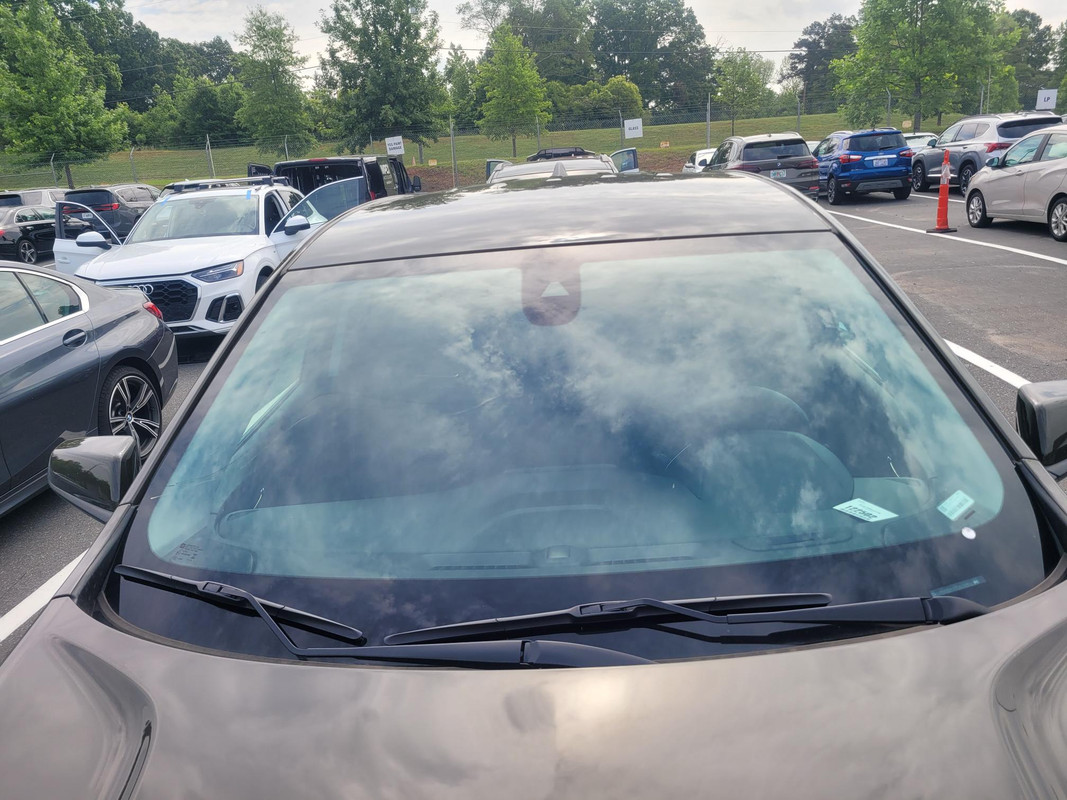
If you’re weighing options, call a shop that treats auto glass Charleston SC as a trade, not a transaction. Look for clear communication, a bench stocked with the right adhesives, and a tech who will show you the pinch weld before the glass goes in. The right fit and seal today means no surprises next season, only clean lines in the rearview and the simple pleasure of a quiet drive home.